DDR4 vs DDR5 for Gaming in 2026: Upgrade or Keep What You Have?
DDR5 offers more bandwidth and newer platforms, but a working DDR4 gaming PC does not become obsolete overnight.
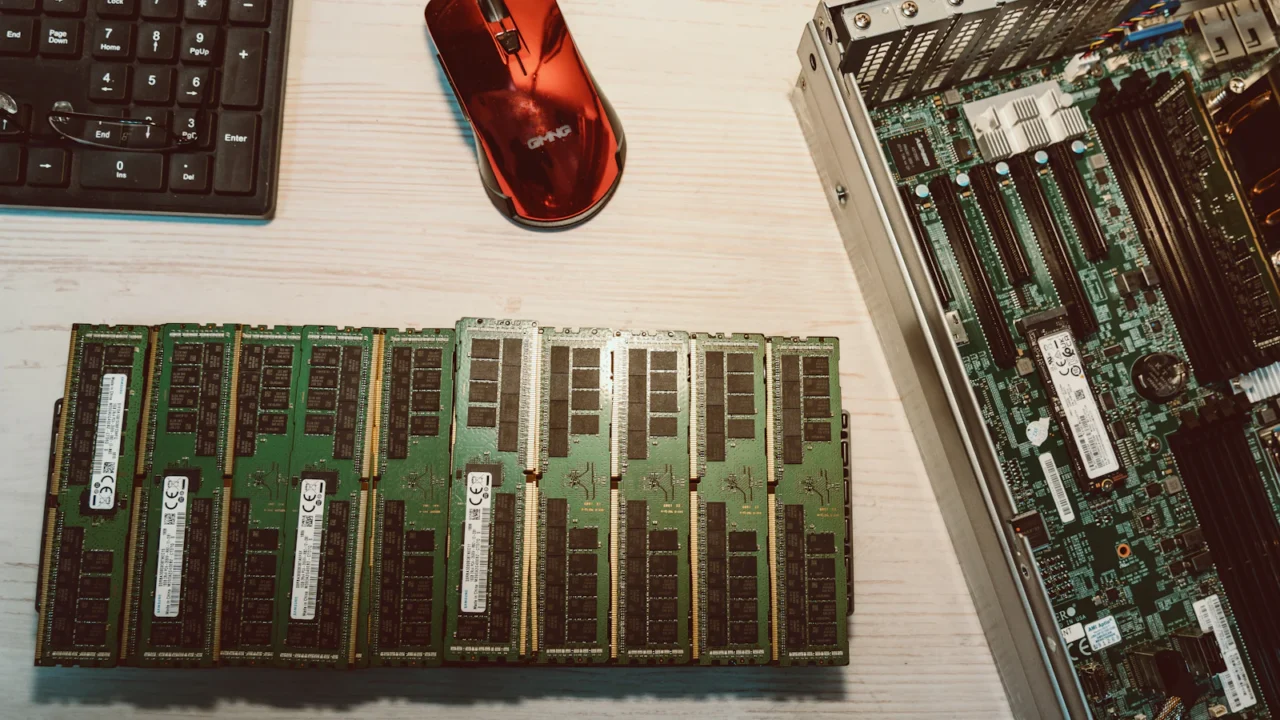
DDR5 is the current memory standard on newer gaming platforms, but that does not automatically mean every DDR4 PC should be replaced. The useful question is whether memory is the reason your current system is holding you back.
What changed with DDR5
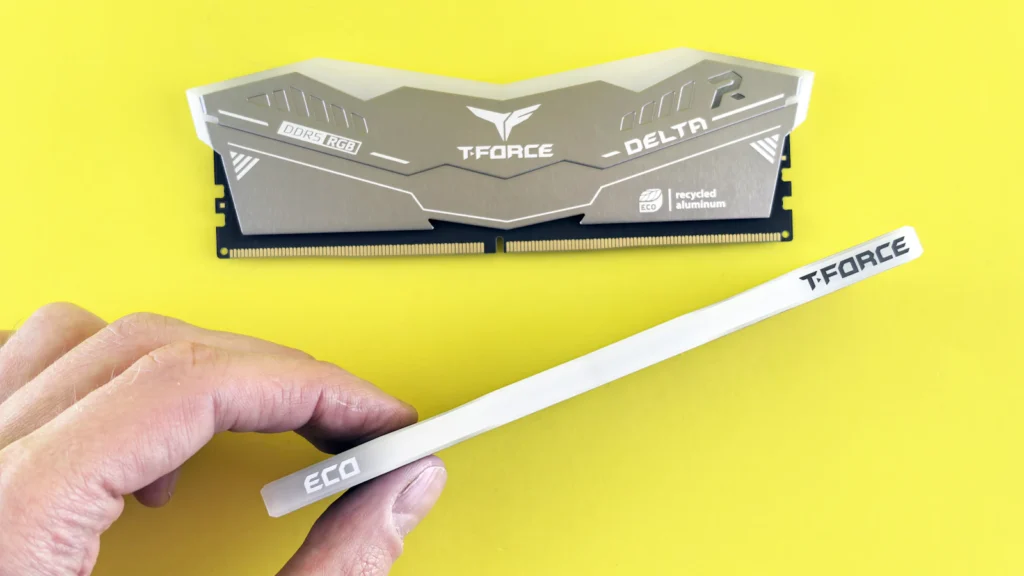
Kingston’s DDR generation comparison lists several architectural changes: higher official transfer rates, lower nominal operating voltage, on-module power management and two 32-bit subchannels per DIMM instead of one 64-bit channel. DDR5 also supports higher capacities per module.
Why faster memory does not translate into one fixed gaming gain
Games differ in how much they depend on CPU throughput and memory bandwidth. A CPU-limited esports title can react differently from a GPU-limited 4K single-player game. The CPU, motherboard, graphics card, memory timings and game engine all affect the result.
Keep DDR4 when the rest of the PC still does what you need
If your current platform has enough CPU performance, enough RAM capacity and the GPU is the main limit in the games you play, moving to DDR5 may require a motherboard and processor change for a relatively small visible gain.
Choose DDR5 for a new platform
When you are already replacing the CPU and motherboard, DDR5 makes more sense because it aligns with current platforms and offers more bandwidth headroom. The decision becomes part of the platform upgrade rather than a standalone memory purchase.
Do not mix the standards
DDR4 and DDR5 use different electrical and physical standards. A motherboard is designed for one or the other; you cannot install a DDR5 DIMM in a DDR4 slot.
Bottom line
DDR5 is the direction of travel, but DDR4 can remain perfectly useful in an existing gaming PC. Upgrade the platform because the whole system needs more performance or features, not because the memory generation number changed.